Does PTFE Tape Stop Leaks? What Thread Tape Can Actually Fix
Does PTFE Tape Stop Leaks? What Thread Tape Can Actually Fix
Direct answer
PTFE tape can help seal a leaking pipe-thread joint when the threads are sound, the connection uses thread sealant and the selected tape is permitted for the service. It cannot repair a cracked pipe, split fitting, damaged sealing seat or failed gasket. Isolate and depressurize before disassembly; inspect, remake and test the joint using the specified procedure.
 | By Liu Yingbao Engineer · 20 years experience in PTFE line |
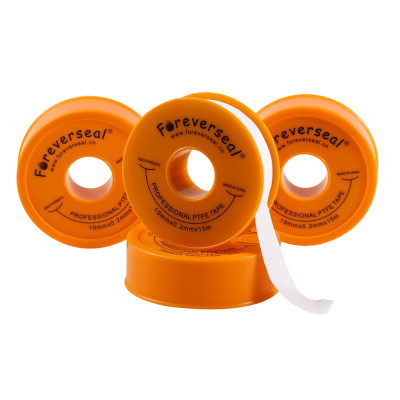
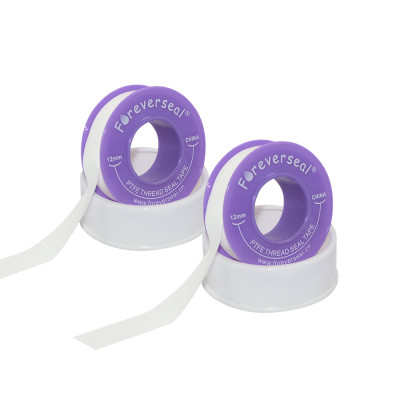
Searching for plumbing tape for leaks often brings together two different products: thread seal tape fitted inside a connection and repair wraps applied outside a pipe. Identify the leak before choosing either. For suitable water-thread connections, start with ForeverSeal Aqua PTFE thread seal tape for water systems.
1. Diagnose the Leak Before Selecting Tape
Water can travel along a pipe or fitting before it drips. The wettest visible point may be below the actual fault. With the system safe, check the joint design and locate the source; do not use a hand to search for a pressurized jet.
| Observed fault | Likely sealing issue | Appropriate next action |
|---|---|---|
| Seepage at a sound pipe-thread joint | Missing, disturbed or incorrectly applied sealant; assembly issue | Inspect the separated threads and remake if serviceable |
| Crack in pipe or fitting body | Structural damage | Replace the affected component |
| Leak at a hose washer, union gasket or O-ring | Separate sealing element or sealing-face problem | Inspect and replace the correct seal or damaged component |
| Leak at a compression or flare joint | Ferrule, seat, alignment or assembly problem | Follow that fitting's repair instructions |
| Leak at a PVC solvent-cement socket | Bond or component problem | Repair or replace by the pipe-system procedure |
Do not add tape to a fastening thread simply because water appears nearby. Our guide to PTFE tape on brass, PVC and stainless fittings explains the different sealing interfaces.
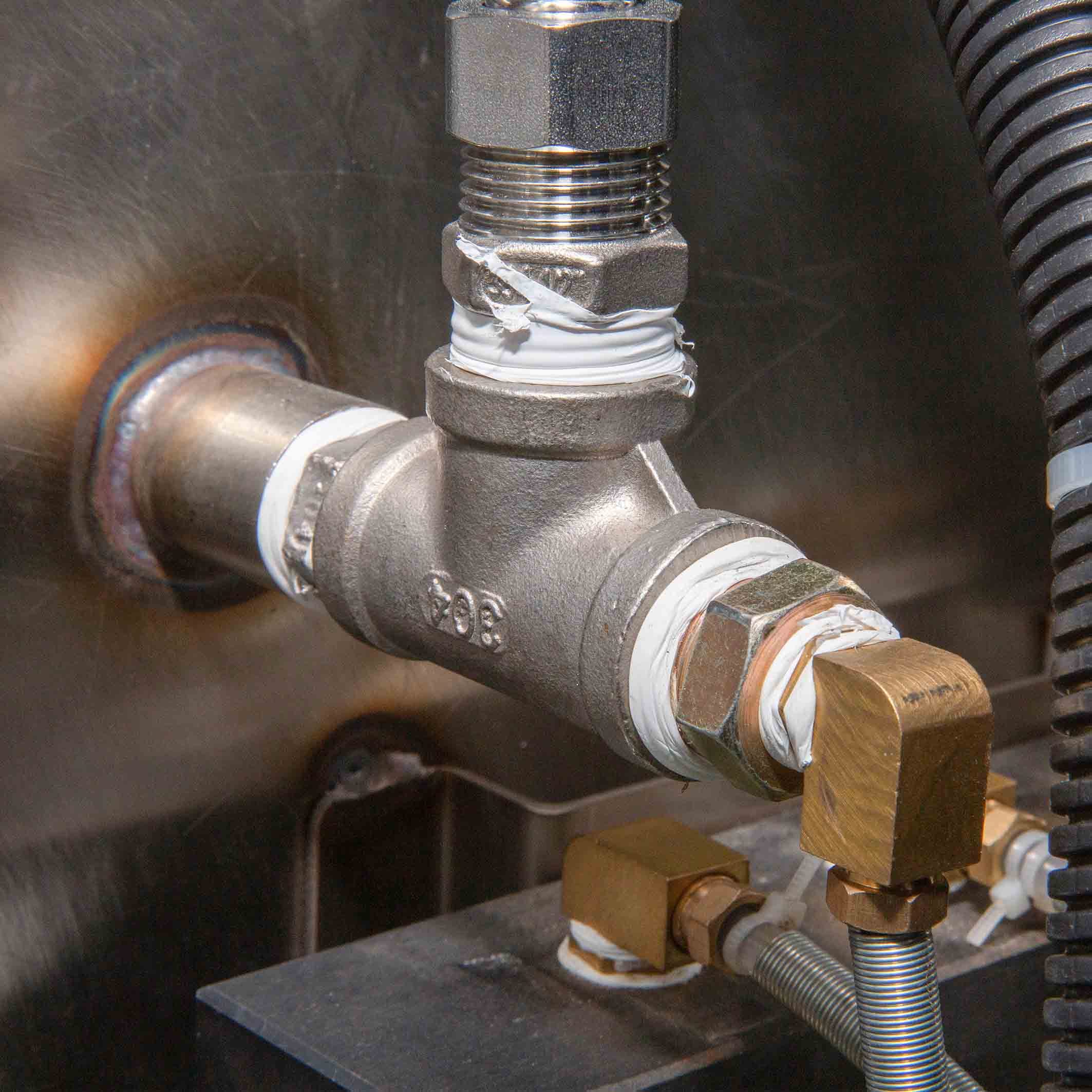
Locate the actual leak and identify the sealing interface before choosing a repair. Visible tape is not proof that a joint is correctly assembled or leak-tight.
2. Self-Fusing Silicone Tape for External Pipe Repairs
For an accessible external water-pipe or hose leak, consider self-fusing silicone tape as a temporary repair option when its documented application limits cover the job. PTFE thread seal tape goes between suitable mating threads; silicone repair tape wraps around the outside of the affected area.
Self-fusing silicone tape is a silicone-rubber strip whose overlapping layers fuse together when applied according to its instructions. It forms a conforming wrap rather than relying on a conventional pressure-sensitive adhesive to stick to the pipe. It is a different product from PTFE tape and from silicone sealant in a cartridge.
| Selection question | PTFE thread seal tape | Self-fusing silicone repair tape |
|---|---|---|
| Where is it applied? | External male threads before joint assembly | Around the outside of an accessible pipe or hose |
| What does it do? | Helps seal the mating thread clearance | Forms a self-fused outer wrap for suitable temporary repairs |
| Is disassembly required? | Normally yes for re-taping | May not require joint disassembly; isolate and depressurize before work |
| What limits must be checked? | Fluid, fitting, product specification and assembly procedure | Fluid, pipe diameter, defect, pressure, temperature and wrapping procedure |
| Does it restore damaged pipe strength? | No | Do not assume structural restoration; replacement may still be required |
When We Recommend Considering a Silicone Repair Wrap
Consider this category for a localized, accessible water leak or a suitable hose defect where sound material remains around the damage and the pipe can be wrapped completely. It can be useful while arranging a planned replacement. Extensive corrosion, a split fitting, a growing crack or a badly damaged hose requires component replacement or an engineered repair.
1. Isolate and depressurize the line, then identify the defect and check the surrounding material.
2. Confirm that the selected repair tape covers the fluid, pipe size, defect and operating conditions. For drinking water, confirm the relevant contact suitability separately.
3. Prepare the surface and remove the release liner as instructed. Stretch and overlap the tape around the complete circumference, extending onto sound material on both sides of the defect.
4. Follow the exact product instructions for stretch, overlap, layer count, final anchoring and time before testing. Restore service only by the approved test and acceptance procedure.
Do not assume that wet-surface application permits wrapping a live pressurized leak. Material elongation at break is not an installation stretch target, and tensile strength is not a repaired-pipe pressure rating. Neither the pressure capacity nor the service life can be inferred from tape thickness alone.
Ask ForeverSeal About the Upcoming Repair-Tape Range
For external water-leak enquiries, contact ForeverSeal about self-fusing silicone pipe repair tape. Provide the pipe material and outside diameter, fluid, pressure, temperature and a photograph of the defect. Product specifications and the sales page will be added when the range is available; suitability must be confirmed for the selected model.
3. Why a Previously Taped Joint Can Leak
The most useful question is what changed at the joint. Check these causes before switching to a thicker roll:
• Incorrect application: wrong direction, uneven coverage, loose tape or a strip extending into the bore.
• Unsuitable specification: tape or sealant not permitted for the medium, component or operating conditions.
• Damaged or mismatched threads: burrs, cross-threading, galling, incompatible forms or a cracked female fitting.
• Assembly disturbance: backing off for alignment, pipe strain, vibration or changing thermal loads.
A leak does not establish that PTFE has chemically “aged out.” The component condition and installation history need inspection. Tape that tears during assembly may also reflect burrs or handling, rather than a material defect alone.
4. How to Re-Tape a Leaking Joint
Isolate, Separate and Inspect
1. Identify the fluid and follow the system shutdown procedure. Isolate, depressurize, drain and cool as required; verify the system is safe before loosening a fitting.
2. Separate the joint using the specified tools, supporting adjacent pipework. Do not force a seized component.
3. Remove the old tape from both threaded parts without damaging the thread profile. Keep fragments out of the line.
4. Inspect the threads, fitting body and sealing design. Replace cracked, galled, cross-threaded or incompatible parts before proceeding.
Select, Apply and Verify
1. Confirm the permitted sealant, tape specification and component assembly instructions. For plastics, obtain explicit component permission for tape.
2. Apply fresh tape to the male threads in the tightening direction. Control tension and overlap, and keep the pipe opening clear.
3. Assemble to the component's specified engagement or tightening procedure. Do not back off a tightened connection to obtain alignment unless its instructions allow it.
4. Perform the required leak or commissioning test and record the result before returning the system to service.
The supplied ForeverSeal Aqua and Industrial TDS specify a minimum of three wraps for those products. This is one part of their instructions, not a universal leak-repair count. Width, thickness, density, usable thread length and technique still matter. See how many wraps of PTFE tape to use and the step-by-step PTFE tape installation guide.
5. Choose the Tape by Service, Not by the Size of the Leak
| Service or condition | ForeverSeal starting point | What must still be confirmed |
|---|---|---|
| Suitable water pipe-thread joint | Aqua | Exact model, water-contact requirements and fitting procedure |
| Industrial oil or general industrial service | Industrial | Fluid compatibility, operating conditions and component restrictions |
| Vacuum or demanding thermal conditions | Xtreme | Suitability of the complete joint and the required test method |
| Fuel gas or oxygen service | Application-specific selection | Qualified installation and documentation for the exact product and service |
The ForeverSeal Xtreme PTFE thread seal tape TDS gives a density range of 1.2–1.5 g/cm³. That does not make it a repair for damaged threads, or establish a higher assembled-joint pressure rating. No tape specification removes the need for sound components.
6. When to Replace the Fitting or Use Another Sealant
Replace a component with a split body, damaged sealing face, badly corroded threads or galling. Repeated leakage after a correctly performed remake is a reason to reassess the connection, alignment and service conditions rather than add more material.
A compatible paste or another sealant may be appropriate when the component manufacturer specifies it. Confirm plastic compatibility, cure time where applicable and any restrictions on combining products. Do not improvise a tape-and-paste combination to compensate for an unknown fault.
For fuel-gas leakage, stop work and follow the local emergency and qualified-service procedure. Oxygen and high-purity systems additionally require controlled cleanliness. Never use a flame to check for leaks.
7. Get Help Selecting Tape for a Serviceable Joint
A useful enquiry includes a photograph of the separated connection, thread standard and nominal size, fitting materials, fluid, pressure and temperature, previous sealant and where the leak appeared. These details help distinguish a tape-selection question from a component repair.
Contact ForeverSeal for PTFE tape selection and leak-troubleshooting support. We can discuss specifications and samples for your application; the repair and acceptance test must follow the requirements of your system.
8. Frequently Asked Questions
Can I wrap PTFE tape over a joint without taking it apart?
That is not the intended use of thread seal tape. It needs access to the external threads before assembly.
Is plumbing leak sealing tape suitable for a cracked pipe?
PTFE thread tape cannot repair a pipe wall. A self-fusing silicone wrap may suit a localized temporary external repair within its documented limits; cracks and structural damage may require replacement.
Can more plumbers tape for leaks fix a persistent drip?
Extra material can overload a fitting or hide the real fault. Inspect thread condition, compatibility and application first; use the confirmed product-and-fitting procedure.
Is plumbing leak sealer tape a permanent repair?
A correctly selected thread sealant can be part of the intended joint assembly. It is not a structural repair, and a successful acceptance test is still required.